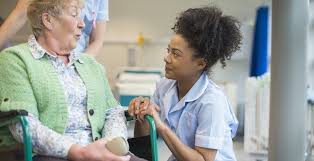
In recent years, caregiver jobs in the United Kingdom have become an attractive career path for many Nigerians seeking better opportunities abroad. With the UK facing a growing demand for health and social care workers due to its aging population, the government has opened various pathways for foreigners—including Nigerians—to fill this critical gap.
Caregiving, often referred to as support work or healthcare assistance, provides a meaningful career for those passionate about helping others while offering a chance to live and work in a developed country.
This article explores caregiver jobs in the UK for Nigerians, the requirements, benefits, challenges, and practical steps to secure such opportunities.
Why the UK Needs Caregivers
The UK’s population is aging rapidly. According to government statistics, nearly 20% of the population is above 65 years old, creating a high demand for caregivers in hospitals, nursing homes, and private residences. Additionally, the National Health Service (NHS) and private care organizations consistently face staffing shortages.
To address this, the UK has included “Care Workers and Home Carers” on its shortage occupation list, making it easier for foreigners, including Nigerians, to apply for work visas. This development has significantly increased the chances for Nigerians who are qualified or willing to undergo training to migrate for caregiver jobs.
What is a Caregiver Job?
A caregiver is someone who assists people who cannot fully care for themselves due to age, disability, or illness. Caregivers provide both physical and emotional support to ensure the well-being of their clients.
Duties of a caregiver include:
-
Assisting with daily living activities such as bathing, dressing, and feeding.
-
Administering medication and monitoring health conditions.
-
Providing companionship to reduce loneliness and improve mental health.
-
Helping with mobility and transportation.
-
Supporting with household tasks like cooking and cleaning.
-
Liaising with healthcare professionals when necessary.
Caregiver roles vary depending on whether you work in a private home, nursing facility, or hospital.
Types of Caregiver Jobs Available in the UK
-
Home Care Workers – Supporting individuals in their own homes.
-
Healthcare Assistants (HCAs) – Assisting nurses in hospitals or clinics.
-
Support Workers – Helping people with disabilities or mental health challenges live independently.
-
Live-in Caregivers – Living with clients to provide round-the-clock assistance.
-
Residential Care Assistants – Working in care homes for the elderly.
Requirements for Nigerians Applying for Caregiver Jobs in the UK
While caregiver jobs do not always require advanced degrees, certain qualifications and skills are necessary:
1. Educational Qualifications
-
A minimum of a high school (secondary school) certificate is often required.
-
Health-related courses such as Nursing, Community Health, or Social Work are an added advantage.
2. Training and Certification
-
Basic caregiver training or certification in healthcare assistance is highly recommended.
-
Certificates such as Care Certificate, First Aid, and CPR training improve chances of employment.
-
Some UK employers provide on-the-job training if you lack prior experience.
3. Work Experience
-
Previous experience as a caregiver, nurse aide, or healthcare worker strengthens your application.
4. English Proficiency
-
Since English is Nigeria’s official language, many Nigerians meet this requirement.
-
However, some employers may request proof of English proficiency through exams like IELTS (International English Language Testing System), especially for visa applications.
5. Visa Requirements
To work as a caregiver in the UK, Nigerians must apply for a Health and Care Worker visa. Key requirements include:
-
A confirmed job offer from a UK employer approved by the Home Office.
-
A Certificate of Sponsorship (CoS) from the employer.
-
Proof of financial stability (at least £1,270 in your bank account unless the employer covers this).
-
Payment of visa application fees (though healthcare workers pay a reduced fee).
-
Tuberculosis (TB) test certificate from an approved medical center in Nigeria.
Benefits of Working as a Caregiver in the UK
-
Job Security – Caregiver roles are in high demand, ensuring stable employment.
-
Visa Sponsorship – Many UK employers provide visa sponsorship for foreign caregivers.
-
Competitive Salary – Caregivers earn between £21,000 to £27,000 annually, depending on experience and employer.
-
Pathway to Permanent Residency – After five years on a Health and Care Worker visa, you may apply for indefinite leave to remain (ILR).
-
Healthcare Benefits – Access to the UK’s NHS services.
-
Family Relocation – The visa allows dependents (spouse and children) to join you in the UK.
-
Career Progression – Opportunities to advance into nursing, healthcare management, or social work.
How Nigerians Can Apply for Caregiver Jobs in the UK
Step 1: Get Trained and Certified
Enroll in a caregiver training program in Nigeria or online. Certificates like First Aid, CPR, and Caregiver Training boost employability.
Step 2: Search for Jobs with Sponsorship
Look for UK employers who are licensed to sponsor foreign workers. Job portals such as:
-
NHS Jobs (www.jobs.nhs.uk)
-
UK Government Job Portal (www.gov.uk/find-a-job)
-
Indeed UK (www.indeed.co.uk)
-
Total Jobs UK (www.totaljobs.com)
Step 3: Apply for Positions
Prepare a strong CV highlighting caregiving experience, certifications, and soft skills such as empathy, patience, and communication. Include a compelling cover letter.
Step 4: Secure a Job Offer and Sponsorship
If successful, your employer will issue a Certificate of Sponsorship (CoS), which is mandatory for visa application.
Step 5: Apply for the Health and Care Worker Visa
Submit your application online via the UK Government website, attach necessary documents, pay the fee, and book a biometric appointment at a visa application center in Nigeria.
Step 6: Relocate and Begin Work
Once approved, travel to the UK and begin your caregiving role.
Challenges Nigerians May Face
-
High Competition – Many applicants globally compete for the same caregiver roles.
-
Financial Costs – Visa fees, TB tests, and relocation expenses can be challenging.
-
Cultural Differences – Adapting to the UK’s lifestyle and work culture may take time.
-
Emotional Demands – Caregiving can be physically and emotionally exhausting.
-
Unscrupulous Agents – Some Nigerians fall victim to fake recruitment agencies. It is safer to apply directly through official portals.
Tips for Success
-
Avoid fake job offers: Only accept sponsorship from licensed UK employers listed on the official Home Office website.
-
Build soft skills: Empathy, patience, and communication are as important as formal training.
-
Stay updated: Immigration rules may change, so check the official UK government website regularly.
-
Network: Connect with Nigerians already working in the UK for insights and guidance.
Conclusion
Caregiver jobs in the UK offer Nigerians a promising pathway to stable employment, career growth, and a better quality of life. With the UK government’s inclusion of care work on the shortage occupation list, opportunities have expanded significantly for foreigners.
By obtaining proper training, applying to verified employers, and meeting visa requirements, Nigerians can successfully migrate and build rewarding careers in the UK care sector.
While challenges such as costs and cultural adaptation exist, the benefits—ranging from competitive salaries to permanent residency opportunities—make caregiver jobs in the UK an attractive and achievable goal for Nigerians willing to take the leap.