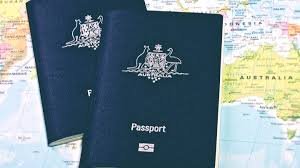
Obtaining an Australian passport is a significant milestone for citizens of Australia, whether by birth or through naturalization. A passport serves as an official government document that confirms your identity and nationality, enabling international travel and granting access to consular assistance overseas.
It is also widely used as a trusted proof of identity within Australia itself.
In this article, we will explore the detailed steps on how to get an Australian passport, covering eligibility requirements, the application process, types of passports available, costs, renewal procedures, and tips for a smooth application.
Whether you are applying for the first time, renewing, or seeking a child’s passport, this guide provides everything you need to know.
Understanding the Australian Passport
The Australian passport is issued by the Australian Passport Office, which is part of the Department of Foreign Affairs and Trade (DFAT). Australia is known for having one of the most secure passports in the world, featuring advanced biometric security, chip technology, and globally recognized authentication measures.
An Australian passport provides:
-
International mobility – allows you to enter and exit countries worldwide.
-
Consular protection – support from Australian embassies and consulates abroad.
-
Proof of identity – a trusted form of identification for government services, financial institutions, and employment.
-
Visa-free access – Australian passport holders enjoy one of the most powerful passports in terms of visa-free travel, ranking among the top globally.
Eligibility for an Australian Passport
Before applying, it is important to understand who is eligible. You must be:
-
An Australian Citizen – You cannot obtain an Australian passport without Australian citizenship. Citizenship can be acquired through:
-
Birth in Australia (under certain conditions).
-
Descent (if one or both parents are Australian citizens at the time of your birth).
-
Naturalization (by applying for and being granted citizenship after permanent residency).
-
-
Proof of Identity and Citizenship – Applicants must provide valid proof of citizenship, such as:
-
An Australian citizenship certificate.
-
An Australian birth certificate.
-
A previous Australian passport (if applicable).
-
-
Children – Children under 18 must also be Australian citizens to obtain a child passport.
If you are not an Australian citizen yet, your first step should be to apply for Australian citizenship before beginning the passport process.
Types of Australian Passports
There are several types of passports available, depending on the applicant’s circumstances:
-
Ordinary Passport (Blue cover)
-
Issued to most Australian citizens for personal and travel use.
-
Valid for 10 years (for adults) and 5 years (for children under 16).
-
-
Child Passport
-
Issued to children under 16.
-
Requires consent from all persons with parental responsibility.
-
-
Emergency Passport (Provisional Passport)
-
Issued under urgent circumstances, such as a lost or stolen passport abroad.
-
Short-term validity only.
-
-
Frequent Traveller Passport
-
Contains more visa pages (66 pages instead of 34).
-
Ideal for frequent international travelers.
-
-
Official and Diplomatic Passports
-
Issued to government officials, diplomats, and persons representing Australia internationally.
-
Steps to Apply for an Australian Passport
Applying for an Australian passport involves a structured process. Here’s a detailed breakdown:
Step 1: Check Your Citizenship Status
Ensure that you are an Australian citizen. If you are not, apply for citizenship first. Without citizenship, your application cannot be processed.
Step 2: Gather Required Documents
Applicants must prepare supporting documents for proof of identity, citizenship, and parental consent (for children). These may include:
-
Birth certificate or citizenship certificate.
-
Previous Australian passport (if applicable).
-
Identity documents such as driver’s license or Medicare card.
-
For children: parental consent form signed by both parents.
Step 3: Complete the Application Form
Applications can be started online via the Australian Passport Office website or obtained from participating Australia Post outlets.
-
Fill in personal details, citizenship information, and contact details.
-
Answer questions regarding criminal history or restrictions on international travel.
Step 4: Provide Guarantor or Referee Details
-
First-time applicants must provide a guarantor (an Australian citizen who has known you for at least 12 months).
-
The guarantor must sign your application and endorse the back of one passport photo.
Step 5: Prepare Passport Photos
-
Two identical color photos are required.
-
Must meet strict guidelines (size, background, expression, etc.).
-
Photos must be certified by your guarantor/referee.
Step 6: Lodge the Application
-
Applications must be lodged in person at an Australia Post outlet (in Australia).
-
Overseas applications can be lodged at Australian embassies or consulates.
Step 7: Pay the Passport Fee
Passport application fees vary based on age, validity, and type of passport. Payments can be made at the time of lodgement.
Step 8: Wait for Processing
-
Standard processing time: about 3 weeks.
-
Priority processing: additional fees apply, processing within 2 business days.
Step 9: Receive Your Passport
-
Passports are usually delivered by registered post or collected in person depending on your application method.
Passport Fees (2025 Estimates)
Australian passport fees are updated annually. As of 2025, approximate costs are:
-
Adult 10-year passport: AUD $350
-
Child passport (5 years): AUD $180
-
Frequent traveller passport: AUD $525
-
Emergency passport: Varies depending on situation
-
Priority processing: Extra AUD $250
(Fees are subject to annual indexation and may vary.)
Renewal of an Australian Passport
Renewal is generally easier than applying for the first time. You are eligible to renew if:
-
Your most recent passport was issued when you were 16 or older.
-
It was issued within the last 15 years.
-
It was valid for at least 2 years when first issued.
-
It has not been damaged, lost, or stolen (otherwise a new application is needed).
Renewal process:
-
Fill out a Renewal Application Form (PC7).
-
Provide two new passport photos.
-
Lodge the application at an Australia Post outlet or embassy.
-
Pay the renewal fee.
Renewals do not require citizenship documents or a guarantor, making the process much faster.
Lost, Stolen, or Damaged Passports
If your passport is lost, stolen, or damaged, you must report it immediately to the Australian Passport Office or nearest embassy/consulate abroad.
-
A replacement application is required, which follows the same steps as a new application.
-
Extra fees may apply.
-
Emergency passports can be issued abroad in urgent situations.
Tips for a Smooth Application
-
Start Early – Apply at least 6 weeks before travel to avoid delays.
-
Check Document Requirements – Incomplete or incorrect documents are a leading cause of application delays.
-
Use Correct Photos – Many applications are rejected due to non-compliant photos.
-
Keep Copies – Always keep a copy of your passport ID page in case of loss or theft.
-
Update Your Details – Notify DFAT if your name changes (e.g., after marriage) before applying.
-
Track Application – Use the online tracking service to monitor progress.
Why the Australian Passport is Valuable
The Australian passport is among the most powerful in the world. According to global passport rankings, it allows visa-free or visa-on-arrival access to over 180 countries. This makes it highly sought-after for ease of travel.
Additionally, being an Australian passport holder gives access to:
-
Consular services in over 100 countries.
-
Simplified entry into countries like the United States, Canada, UK, and EU states.
-
High trust for identity verification in financial and legal matters.
Common Questions
1. How long does it take to get an Australian passport?
It typically takes around 3 weeks for standard processing, but priority service (for urgent travel) can reduce this to 2 days.
2. Can permanent residents apply for an Australian passport?
No. Only Australian citizens are eligible. Permanent residents must first apply for citizenship.
3. Can I hold dual citizenship and an Australian passport?
Yes, Australia allows dual citizenship. You can hold an Australian passport alongside another nationality’s passport.
4. Do children need their own passport?
Yes, every child must have their own passport, regardless of age. They cannot be added to a parent’s passport.
5. Can I renew a damaged passport?
No. Damaged passports require a new passport application, not a renewal.
Conclusion
Getting an Australian passport is a straightforward process once you meet the eligibility criteria of being an Australian citizen. From gathering documents, completing the application form, obtaining passport photos, and lodging your application at an Australia Post outlet or embassy, the steps are clear but must be followed carefully.
The passport itself is a powerful travel document, granting Australians access to a large number of countries visa-free, as well as providing global recognition of identity and access to consular support abroad. Whether you are applying for the first time, renewing, or seeking a passport for a child, early preparation and accurate documentation are the keys to a successful application.
Ultimately, holding an Australian passport is not just about travel—it is also a representation of national identity and a gateway to opportunities worldwide.